In the outdoor furniture manufacturing industry, where workers regularly handle cutting machines, spray-painting equipment, wood-preservative chemicals, and factory floors with high noise and dust levels, strict adherence to HSE (Health, Safety, Environment) and BSCI (Business Social Compliance Initiative) standards is far more than a legal requirement or export condition—it is a genuine lever for safer, more productive work.

On the safety side, HSE requires factories to provide adequate PPE (safety goggles, dust masks, cut-resistant gloves), install proper ventilation and dust-extraction systems in sanding and painting areas, and train workers on correct operation of CNC machines and saws. When workplace accident risk drops, workers can focus on their tasks with peace of mind, injury-related downtime falls, and the company saves on insurance and compensation costs.
BSCI adds a social dimension: reasonable working hours, transparent wages, non-discrimination, and clear grievance channels. When workers feel respected and protected, engagement and motivation rise significantly, turnover falls, and craftsmanship is retained and deepened over time—a critical factor in an industry that depends heavily on manual skill.
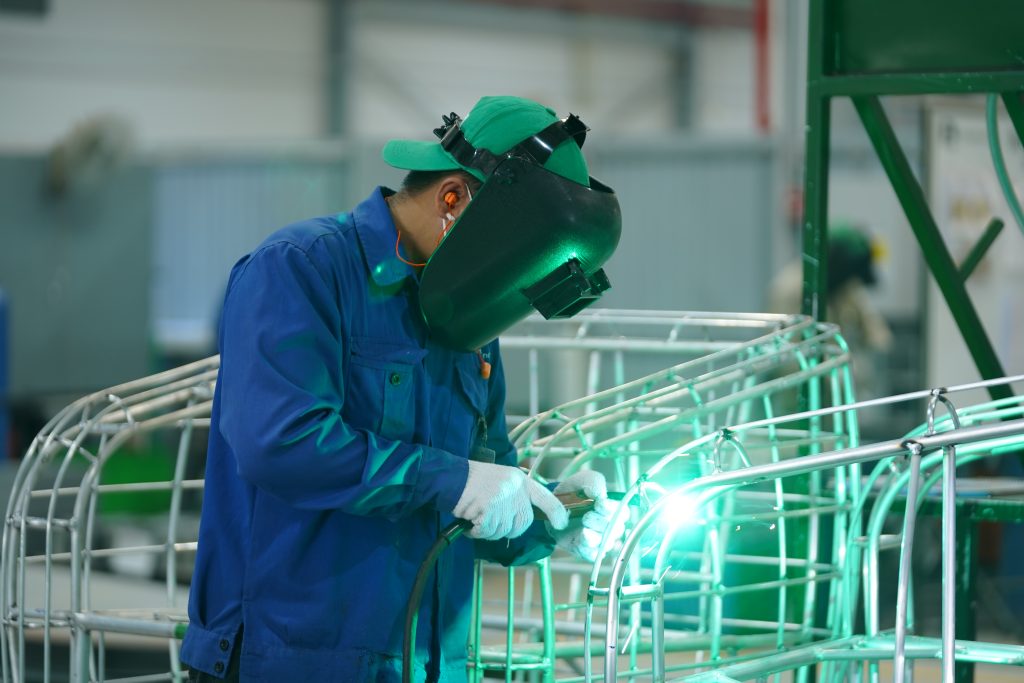
From a productivity standpoint, a safe, compliant environment reduces production disruptions caused by accidents, lowers product defects linked to worker fatigue or unsafe conditions, and gives factories a competitive edge when working with European and U.S. buyers, who typically treat HSE/BSCI compliance as a precondition for supplier selection.
In short, investing in HSE and BSCI is not merely a compliance cost—it is a dual investment that protects people while improving long-term operational efficiency.