The global outdoor furniture industry is entering a period of sustained growth, driven by strong post-pandemic demand to turn gardens, balconies, and patios into a second living space, alongside a boom in hospitality projects — hotels, resorts, and outdoor commercial venues. Sustainable materials such as FSC-certified Acacia and Teak wood, synthetic rattan, and cast aluminum are increasingly favored by buyers in Europe and the US, creating strong opportunities for any outdoor furniture manufacturer Vietnam with the raw-material access and craftsmanship to meet these standards.

Vietnam has become a key hub for sustainable furniture manufacturing Vietnam, home to established production clusters such as the furniture factory Ben Tre Vietnam, known for combining traditional woodworking skill with modern export-grade quality control. Companies like Greenwind exemplify this shift: a furniture manufacturer with LEED/FSC/BSCI certification Vietnam, built specifically to meet the environmental and social compliance standards that European and American retailers now require before signing long-term contracts. This certification-first approach — spanning FSC chain-of-custody for timber, BSCI social audits for labor practices, and LEED-aligned facility standards — is quickly becoming the baseline expectation rather than a differentiator.
Despite these tailwinds, challenges remain significant. Freight rates and logistics costs fluctuate sharply amid ongoing geopolitical tensions affecting major shipping routes. Raw material prices for wood and aluminum move in cycles, squeezing factory margins. The EU’s deforestation regulation (EUDR) and tightening carbon-disclosure rules mean any sustainable outdoor furniture Vietnam supplier must invest continuously in traceability and documentation, not just certification on paper. Price competition from lower-cost producers and currency volatility add further pressure to long-term order books.
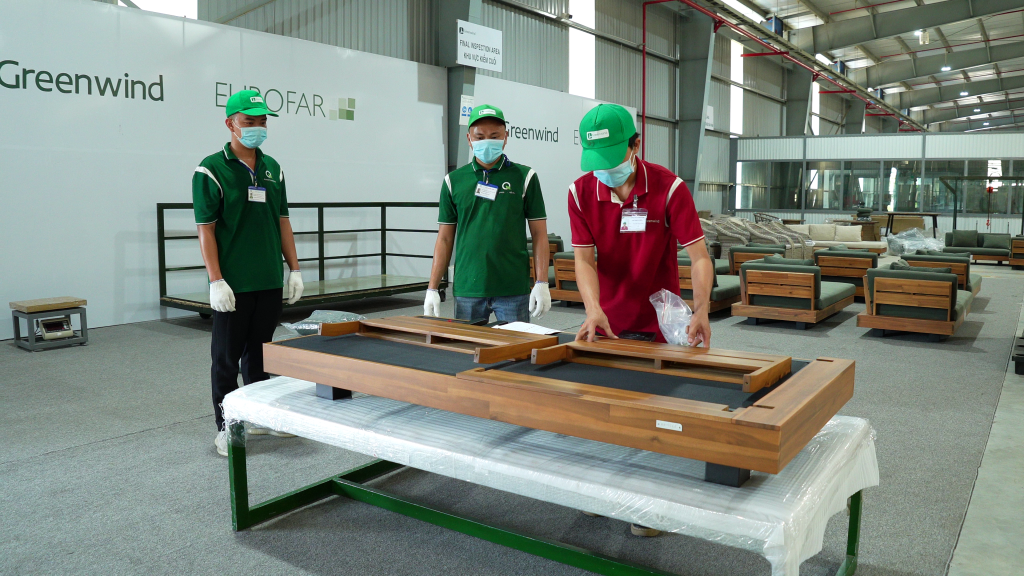
For manufacturers positioning themselves for the next decade, the path forward is clear: pair modular, design-forward products with verifiable sustainability credentials, and treat certification and supply-chain transparency as core infrastructure — not compliance overhead. Those who do will be best placed to win the confidence of ESG-conscious buyers worldwide.